What Natural Hair Treatments Help Nourish Hair Without Salon Treatments?
Maintaining healthy-looking hair does not always require frequent salon appointments. With a simple routine and the right products, you can give your hair the care it needs at home. Whether your hair is curly, coily, textured, straight, thick, fine, dry, or prone to frizz, consistent care can make it easier to maintain.
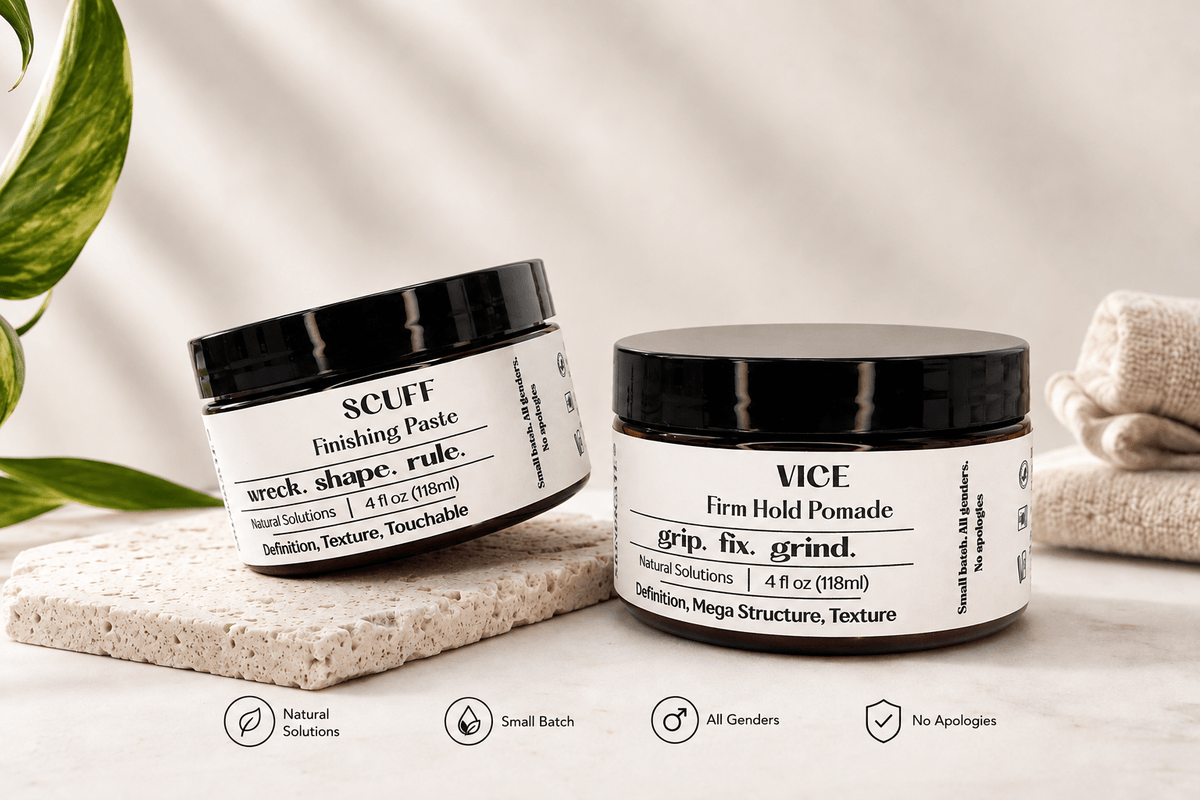
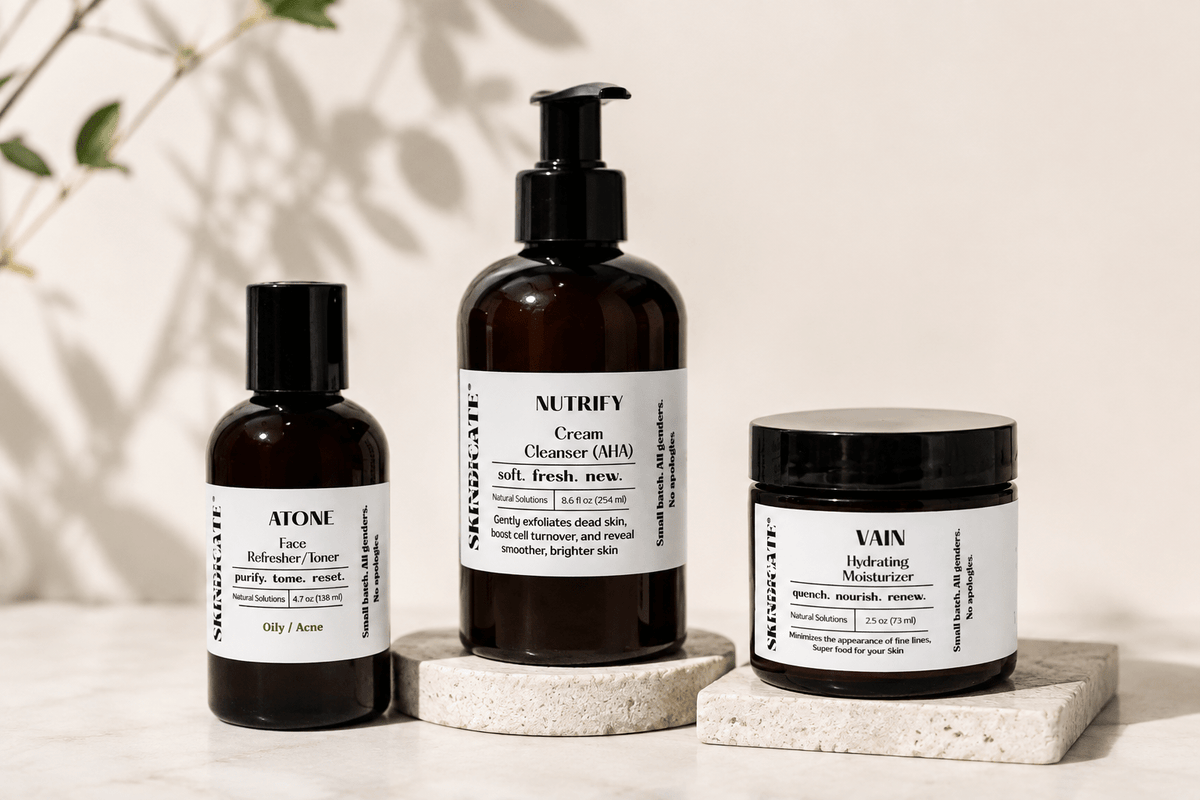
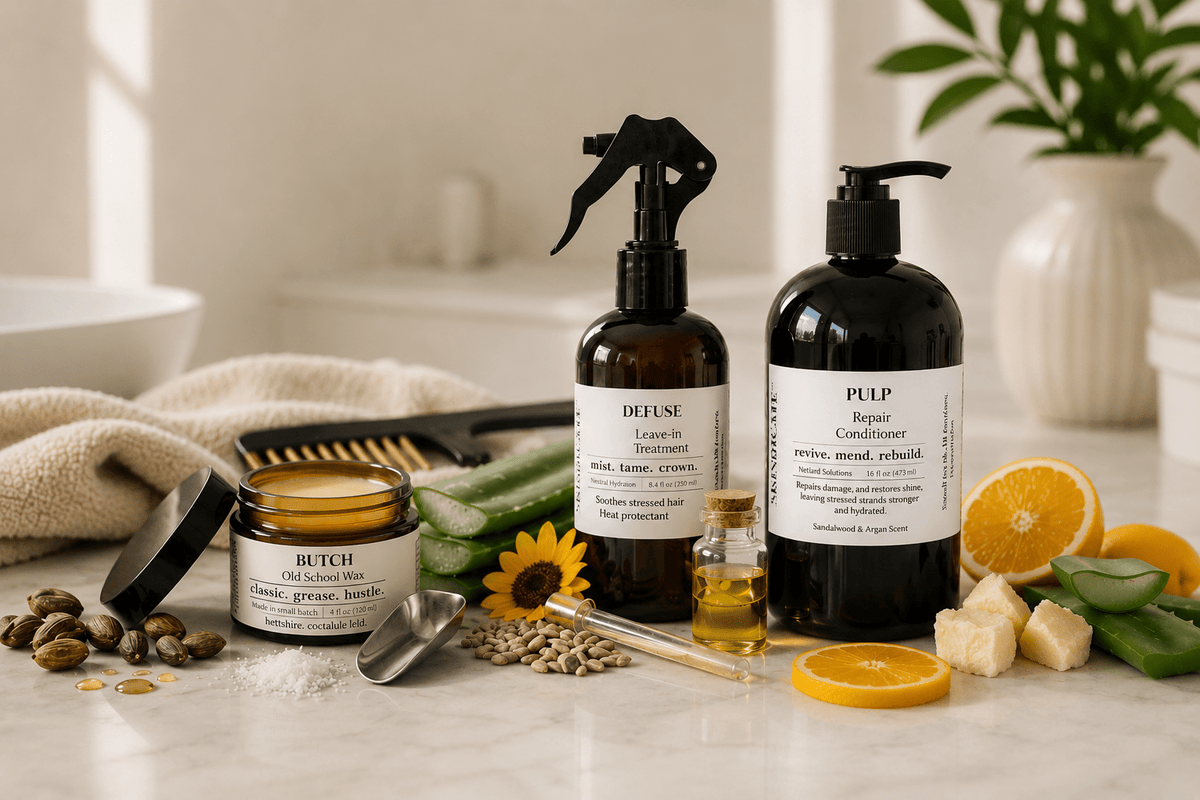
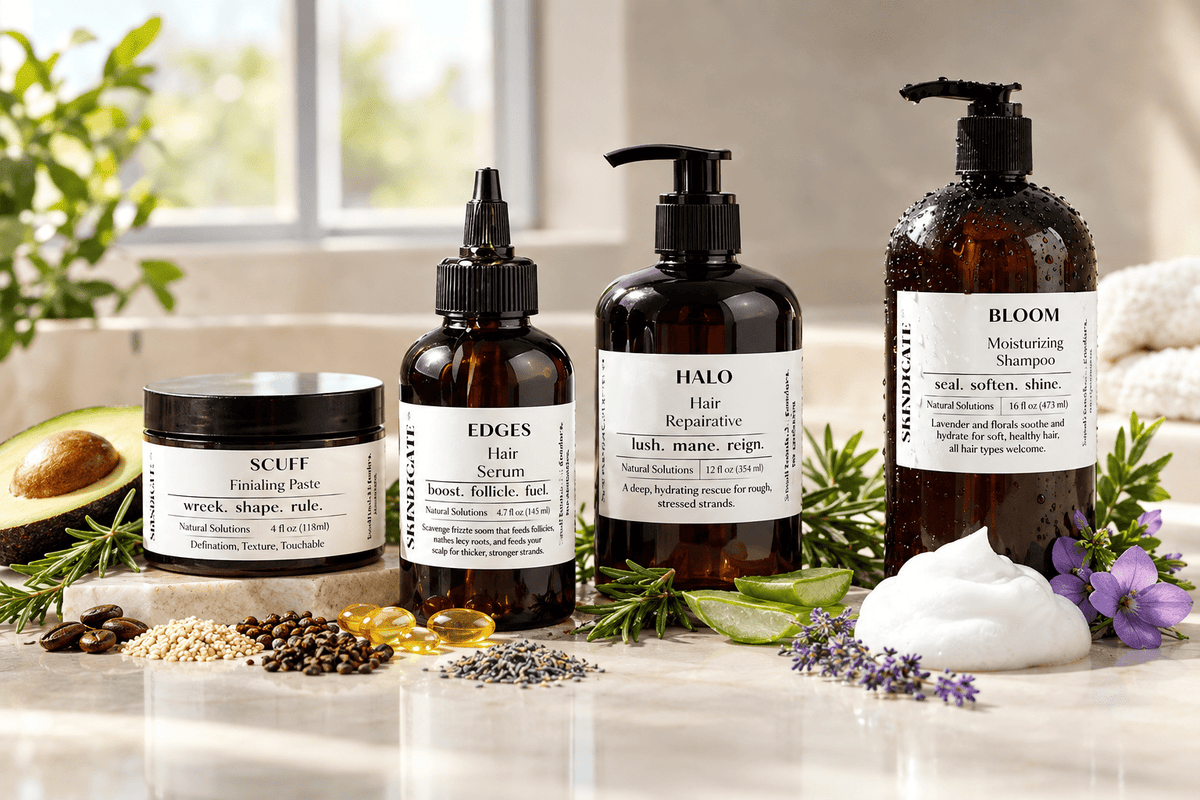
The first step is understanding what your hair and scalp need. Using hair care products for natural hair can help you create a routine that includes cleansing, conditioning, moisture, scalp care, and styling. SKINDICATE offers hair care options for different steps of an everyday routine, from shampoos and conditioners to masks, leave-in treatments, scalp products, and styling formulas.
Why At-Home Hair Treatments Matter
Hair can become dry, rough, tangled, or difficult to manage because of everyday factors such as heat styling, frequent washing, coloring, environmental exposure, and tight hairstyles. Giving your hair regular attention at home can help you manage these concerns without making your routine complicated.
A balanced hair care routine may include:
- Regular cleansing
- Conditioning
- Deep treatments
- Leave-in moisture
- Scalp care
- Nourishing oils
- Frizz and texture control
- Styling support
You do not need to use every type of product. The goal is to choose healthy hair care products that make sense for your hair type and your daily routine.
1. Start With the Right Shampoo
Cleansing is the foundation of a good hair care routine. Shampoo helps remove sweat, excess oil, dirt, styling residue, and buildup from the scalp and hair. Choosing a shampoo that cleanses well without leaving your hair feeling overly dry can help maintain a comfortable balance.
For a moisture-focused routine, Moisturizing Shampoo can be a simple addition to your wash day. Its formula includes ingredients such as glycerin, panthenol, vitamin E, aloe leaf juice, and flaxseed, which are commonly used in hair care products to support moisture and conditioning.
The right shampoo should suit your hair texture and scalp needs. Instead of choosing the strongest cleanser, look for one that leaves your scalp feeling clean while keeping your hair soft, comfortable, and easy to manage.
2. Make Deep Conditioning Part of Your Routine
A deep conditioning treatment can give your hair extra care when a regular conditioner is not enough. It may be especially helpful when your hair feels dry, rough, tangled, or affected by regular styling.
For an at-home treatment, HALO – Hair Mask & Restorative Treatment can be added to your routine when your hair needs deeper conditioning and extra care.
You do not need to use a deep treatment every day. Depending on your hair's needs, adding one occasionally or as part of a weekly routine can provide additional conditioning without making your hair care routine complicated.
3. Don't Skip Conditioner
Conditioning helps hair feel softer and makes it easier to detangle after washing. It can also help when your hair feels dry, rough, or difficult to manage.
Adding a conditioner to your regular wash routine can help maintain moisture and improve the overall feel of your hair. Choose a formula based on your hair texture and how much conditioning it needs, and avoid using more product than necessary.
4. Add a Leave-In Treatment for Everyday Moisture
Some hair types need more than the conditioning they receive on wash day. A leave-in treatment can provide extra moisture and conditioning without requiring another wash.
Applying a leave-in product after washing can help keep hair softer, easier to manage, and simpler to style throughout the day. It can be especially useful for curly, coily, and textured hair, where dryness and frizz may be more noticeable between wash days.
Choose a lightweight or richer formula based on your hair's texture and moisture needs, and use only as much as your hair requires.
5. Give Your Scalp Attention
Your scalp is an important part of your hair care routine. Regular cleansing and gentle care can help keep it feeling clean and comfortable.
For an added scalp-care step, Hair Growth Serum & Scalp Moisturizer can be gently massaged into the scalp or along the edges and left in. Its formula includes oils such as castor, avocado, and grapeseed oil, along with vitamin E and botanical essential oils.
Scalp care does not need to be complicated. A simple routine that includes regular cleansing and gentle treatment can help you give your scalp the attention it needs. If you experience persistent thinning, irritation, or unusual shedding, consider speaking with a qualified healthcare professional.
6. Use Nourishing Oils Thoughtfully
Hair oils can be useful when your hair needs additional conditioning or when you want to improve the look and feel of dry strands. However, using too much oil can leave hair feeling heavy or contribute to buildup.
Start with a small amount and adjust based on your hair texture and density. Fine hair may need less product, while thicker or more textured hair may work well with a richer application.
The key is to find an amount that works for your hair without making it feel greasy or weighed down.
7. Choose Styling Products Based on Your Hair Goals
Hair care is not only about washing and conditioning. Styling products can help you shape your hair, add definition, manage texture, and maintain the look you want.
Choose a styling product based on your hair type and the finish you prefer. Whether you want light texture, definition, smoothness, or stronger hold, using a small amount can help you style your hair without making it feel heavy or overly coated.
A simple styling routine can help you maintain your preferred look while keeping your hair feeling comfortable and manageable.
8. Consider a Hair Tonic for Your Routine
A hair tonic can be another option for people who enjoy a traditional grooming routine. It can be used as an additional step between regular cleansing and styling.
The right choice depends on your hair type, scalp preferences, and how you normally care for your hair. As with other products, using only what your hair needs can help prevent an unnecessarily complicated routine.
9. Build a Routine That Works for Your Hair Type
There is no single hair care routine that works for everyone. Curly and coily hair may need more moisture, while fine or straight hair may become weighed down by heavier products.
Thicker or textured hair may benefit from richer conditioning treatments, while finer hair may do better with lightweight formulas. Your routine may also change depending on the season, how often you style your hair, or whether your hair has been colored or chemically treated.
This is where natural hair strengthening products can be useful. Rather than following someone else's routine exactly, pay attention to your hair's texture, moisture level, scalp needs, and styling habits.
A Simple At-Home Hair Care Routine
You do not need to use every type of product at once. A simple routine can focus on the steps your hair needs most.
Wash Day:
Begin with a shampoo that cleanses the scalp and hair while supporting your desired level of moisture.
Condition:
Use a nourishing conditioner after washing to soften the hair and make detangling easier.
Deep Treatment:
Add a hair mask when your hair needs more conditioning than your regular routine provides.
Leave-In Care:
Apply a leave-in treatment after washing when your hair needs additional moisture or conditioning between wash days.
Scalp Care:
Give your scalp regular attention with gentle cleansing, massage, or a suitable scalp treatment.
Styling:
Finish with a styling product that matches the look you want, whether that means definition, texture, smoothness, or hold.
The best routine is one that fits your hair and is easy enough to maintain consistently.
Final Thoughts
You do not need frequent salon treatments to take good care of your hair. A consistent routine with cleansing, conditioning, moisture, scalp care, and gentle styling can help keep your hair looking and feeling its best.
Start with the basics and pay attention to how your hair responds. You can then add or adjust products as your needs change.
With the right healthy hair care products and regular at-home care, nourishing your hair can become a simple part of your everyday routine.
Frequently Asked Questions
Q. Can I take care of my hair at home without salon treatments?
A. Yes. A simple routine that includes regular cleansing, conditioning, deep treatments, moisture, scalp care, and gentle styling can help you maintain healthy-looking hair at home.
Q. How often should I deep condition my hair?
A. It depends on your hair type and condition. If your hair feels dry, rough, or difficult to manage, you may benefit from adding a deep conditioning treatment to your routine regularly.
Q. Is a leave-in treatment helpful for dry hair?
A. Yes. A leave-in treatment can provide additional moisture and conditioning between wash days. It can be particularly useful for hair that tends to feel dry or become frizzy.
Q. Why is scalp care important?
A. Your scalp is an important part of your overall hair care routine. Regular cleansing and gentle care can help keep the scalp clean and comfortable while reducing product buildup.
Q. How do I choose hair products for my hair type?
A. Consider your hair texture, thickness, moisture level, and styling needs. Fine hair may work better with lightweight formulas, while thicker or textured hair may benefit from richer conditioning products.
Q. Can styling products be part of a hair care routine?
A. Yes. Styling products can help with definition, texture, smoothness, or hold. Choose a product that matches your hair type and the look you want to create.