10 Tips to Make Frizzy Hair Smoother and Easier to Manage
Frizz always finds a way to appear at the most inconvenient moments of humidity, the day you hit the gym, that one crucial appointment where you can't afford to be late. Your hair isn't trying to sabotage you, it just needs moisture. When your hair is thirsty, hair strands tend to inflate its outer layer, the cuticle, to take in moisture from the environment, which is what causes that bumpy, voluminous and fly-away feeling you want to tame.
The good news is you don't need a salon appointment or a cabinet full of products to fix it. A few smart swaps, paired with the right natural hair care products, can smooth things out fast and keep them that way for longer. Below are ten tips that actually work, whether you're dealing with fine flyaways or thick, coarse frizz that won't quit.
1. Don’t Wash Too Often
Weekly shampooing washes off your natural oils that make it look silky with the regular shampooing and your hair will become frizzy, puffy and dry. Once the hair has lost its natural oils, then it puffs up and becomes frizzy. Try increasing the number of days with which you shampoo the hair from everyday to even alternate days or once in 3 days and so on, based on the scalp you have and keep in mind that the shampoo that you use when you do it must be a less lather and mild shampoo.
2. Use a Deep Conditioner
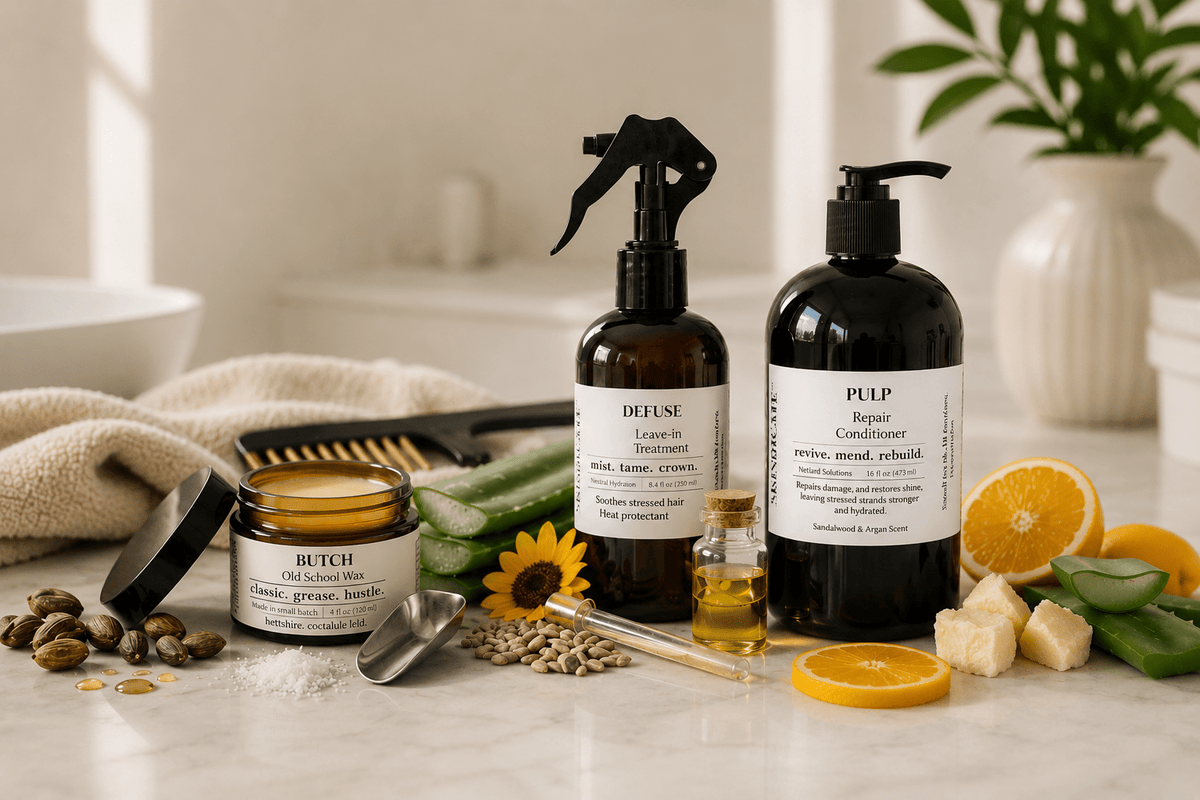
A regular conditioner is fine for daily upkeep, but frizzy hair usually needs something more intensive once or twice a week. A rich, repairing conditioner sinks deeper into each strand and softens it from the inside, instead of just coating the surface for a few hours. If you haven't tried one yet, Repair Conditioner (Citrus) is worth adding to your rotation, since it's built around nourishing ingredients rather than synthetic fillers that just sit on top of hair. Used consistently, a treatment like this makes hair noticeably softer, easier to detangle, and far less likely to frizz the moment it dries.
3. Add a Leave-In Treatment Before Styling
This is one step a lot of people skip, and it's often the one that matters most. A leave-in treatment locks in moisture right after you shower, before your hair gets the chance to dry out and frizz up on its own. Apply Leave In Treatment to damp hair before you do anything else, and you'll notice your strands stay smoother for hours longer than they would without it. It's a small step, but it changes how the rest of your routine performs.
4. Keep Hair Moisturized
Once your hair is damp and treated, sealing in that moisture matters just as much as adding it in the first place. A light hair oil smooths the cuticle layer down flat, which is what actually cuts down on visible frizz throughout the day. Warm a couple of drops between your palms and run them through the mid-lengths and ends, avoiding the roots so you don't end up weighing your hair down. A little goes a long way here, and less is genuinely more.
5. Rinse With Cool Water
Hot showers feel great, but they're not doing your hair any favors. Heat opens up the cuticle, and an open cuticle is exactly what leads to frizz once your hair dries. Finish your shower with a cool rinse instead, even just for the last thirty seconds. It closes the cuticle back down flat, which means smoother, shinier strands and noticeably less frizz once you step out and start styling.
6. Be Gentle With Wet Hair
Rubbing a regular bath towel over wet hair roughs up the cuticle and creates frizz before you've even started styling. Swap it for a microfiber towel or an old cotton T-shirt instead. Gently squeeze out excess water rather than rubbing back and forth, and your hair will already look smoother by the time it's dry enough to style.
7. Use Less Heat
Blow dryers, flat irons, and curling wands all contribute to frizz over time, especially when they're used without any protection. If you can, let your hair air dry more often, even if it means planning your morning a little differently. When you do use heat, apply a protectant first and keep the temperature moderate rather than cranking it to the highest setting. Your future strands will thank you for the restraint.
8. Try a Silk or Satin Pillowcase
Cotton pillowcases pull moisture out of your hair and create friction while you sleep, which means you can wake up frizzier than when you went to bed. A silk or satin pillowcase lets your hair glide across the surface instead of catching on it, so you hold onto more of that overnight smoothness. It's a one-time swap that keeps paying off every single morning.
9. Control Loose Hair
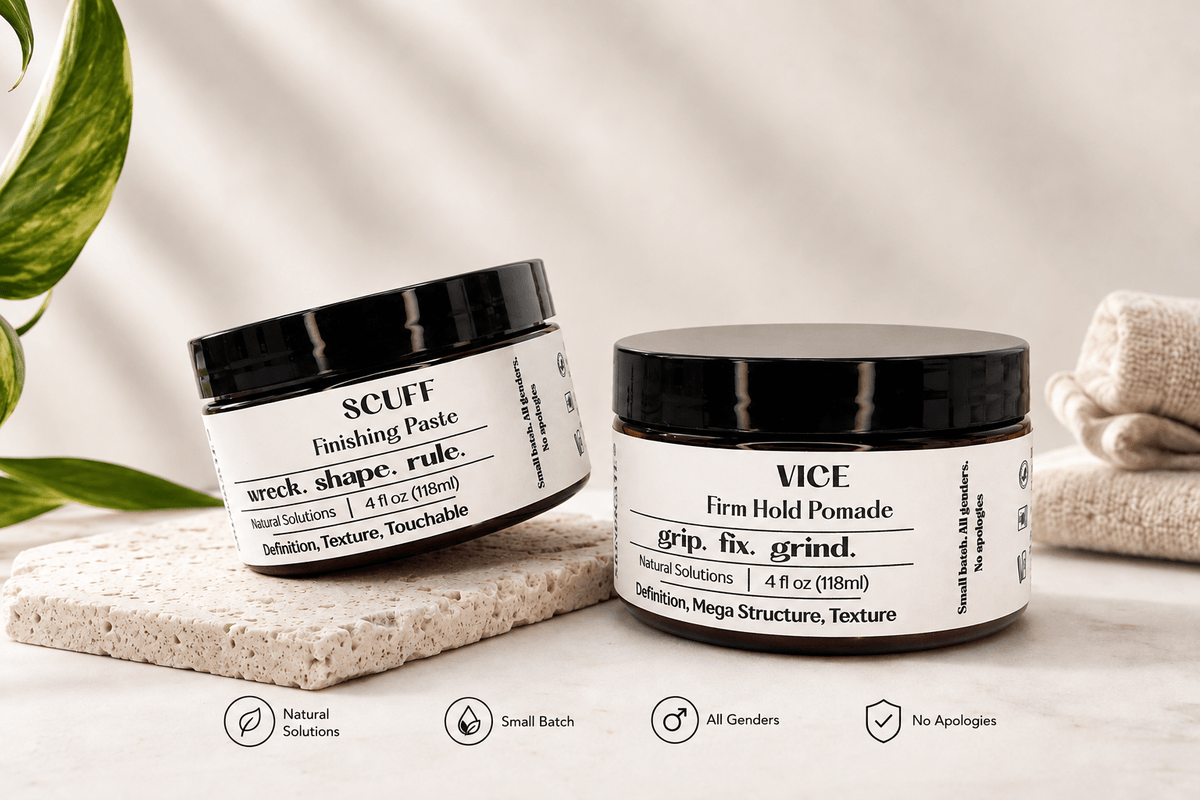
Sometimes frizz isn't about moisture at all — it's just those stubborn flyaways along your part or hairline that won't lay flat no matter what. This is where a good wax earns its place in your routine. Hair Wax gives you just enough hold to smooth things down without stiffness or that greasy, overworked look some products leave behind. It's especially useful for taming edges and shorter layers that tend to stick up no matter how carefully you style the rest of your hair.
10. Comb Your Hair Gently
How you brush your hair matters more than most people realize. Pulling a brush through tangled, dry hair can break strands and damage the hair cuticle, which can make frizz worse. Instead, use a wide-tooth comb on wet, conditioned hair, starting at the ends and gently working your way up. Taking your time with this step can help prevent unnecessary breakage and keep your hair looking smoother.
Choosing the Right Hair Care Products
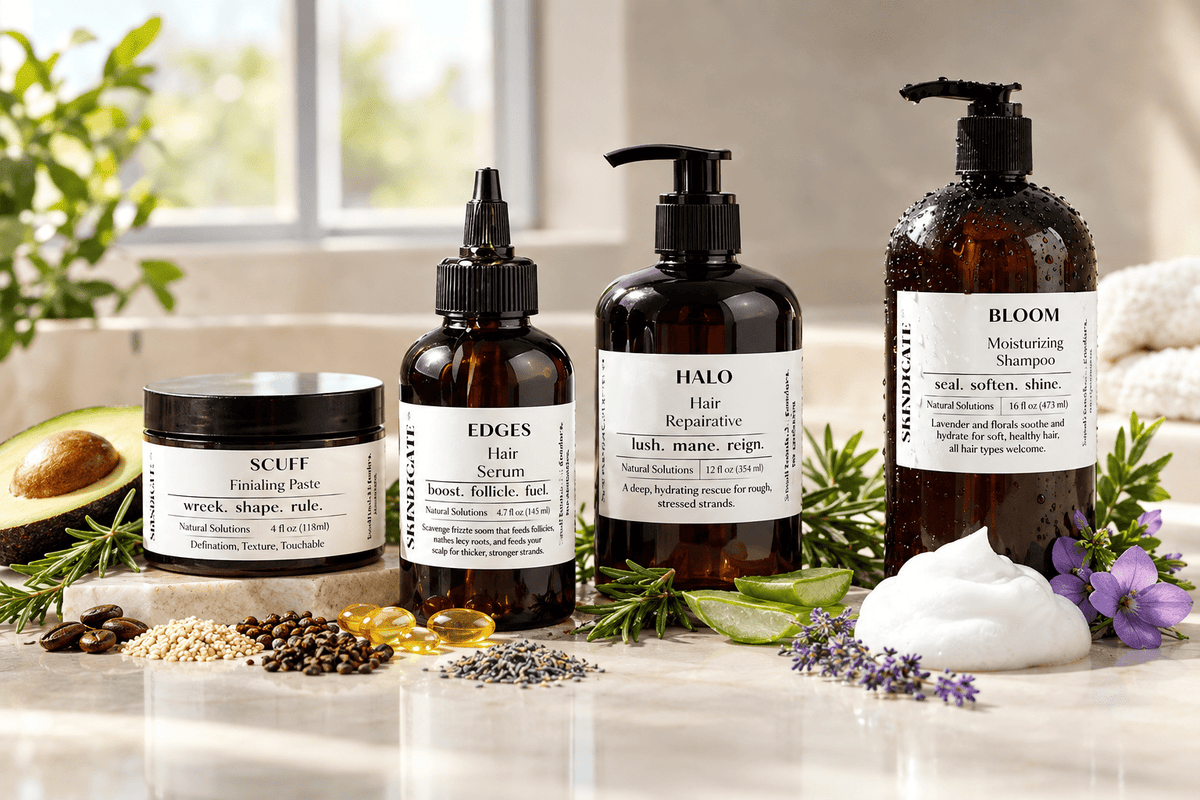
This is really where the whole routine comes together. Natural Hair Care Products for Stronger, healthier hair tend to skip the harsh sulfates and heavy silicones that build up over time and leave strands feeling coated rather than actually cared for. Ingredients like botanical oils, shea butter, and plant extracts work with your hair instead of masking the problem, which is why they hold up over weeks and months, not just for one good hair day. If frizz keeps coming back no matter what you try, it might be less about your styling routine and more about what's actually sitting in your products.
A Few Final Thoughts
Smoother hair usually comes down to consistency more than any single miracle product. Wash a little less, condition a little more, protect your hair from heat and friction where you can, and choose formulas that actually nourish your strands instead of just coating them for a few hours. Give these habits a few weeks and you'll likely notice your hair holding its shape better, catching less static in the air, and generally behaving the way you want it to, even on the days the weather isn't cooperating with you.
If you're looking to build these habits into a full routine, Skindicate's hair collection includes everything mentioned above and more, made with clean, natural ingredients that work with your hair rather than against it. A little patience and the right products go a long way toward getting frizz under control for good.
Frequently Asked Questions
1.
What causes frizzy hair?
Frizz often happens when the hair cuticle lifts and absorbs moisture from the air. Dryness, humidity, heat styling, and frequent washing can make frizz more noticeable.
2. Can natural hair care products help reduce frizz?
Yes, natural hair care products with ingredients such as botanical oils, shea butter, and plant extracts can help keep hair moisturized and smoother. Using them regularly may help reduce dryness and frizz over time.
3. How often should I deep condition frizzy hair?
For most hair types, once or twice a week is a good starting point. You can adjust the frequency depending on how dry, thick, or damaged your hair feels.
4. Is air drying better than blow drying for frizzy hair?
Air drying can be gentler on your hair. If you use a blow dryer, choose a lower heat setting, use heat protection, and avoid excessive brushing or touching while your hair dries.
5. How long does it take to see results from a new hair care routine?
You may notice some improvement within a few weeks when you follow your routine consistently. Give your hair time to adjust rather than changing products too often.