What Are the Essential Skincare Products You Need for a Simple Oily Skin Routine?
Oily skin can make choosing skincare products feel complicated. Your face may look shiny only a few hours after washing it, makeup may not stay in place, and you may also experience clogged pores, blackheads, or occasional breakouts. As a result, it can be tempting to use strong cleansers, skip moisturizer, or try several products at once. As the oily skin does not necessarily need a complicated routine
Use dermatologist-preferred products, or you can buy organic skincare products that are suitable skincare products for oily skin.
So, what are the essential skincare products you need for a simple oily skin routine? In this blog, we will understand why skincare products are essential and which are the products that can form the foundation of your daily routine.
What Does Oily Skin Need From a Skincare Routine?
Oily skin produces more sebum than other skin types, which can contribute to shine and a heavier feeling on the skin. The goal of a routine should not be to strip away every trace of oil, but to maintain a comfortable balance.
Keep Your Routine Simple
A practical routine can include:
- Cleanser
- Toner
- Moisturizer
- Sunscreen during the daytime
You can add other products when there is a specific reason to do so, but introducing too many products at once can make it harder to understand what works for your skin.
Steps Required to Maintain an Oily Skincare Routine
Step 1:
Start With a Gentle Face Cleanser
Cleansing is an important first step because it helps remove sweat, excess oil, makeup, sunscreen, and everyday buildup.
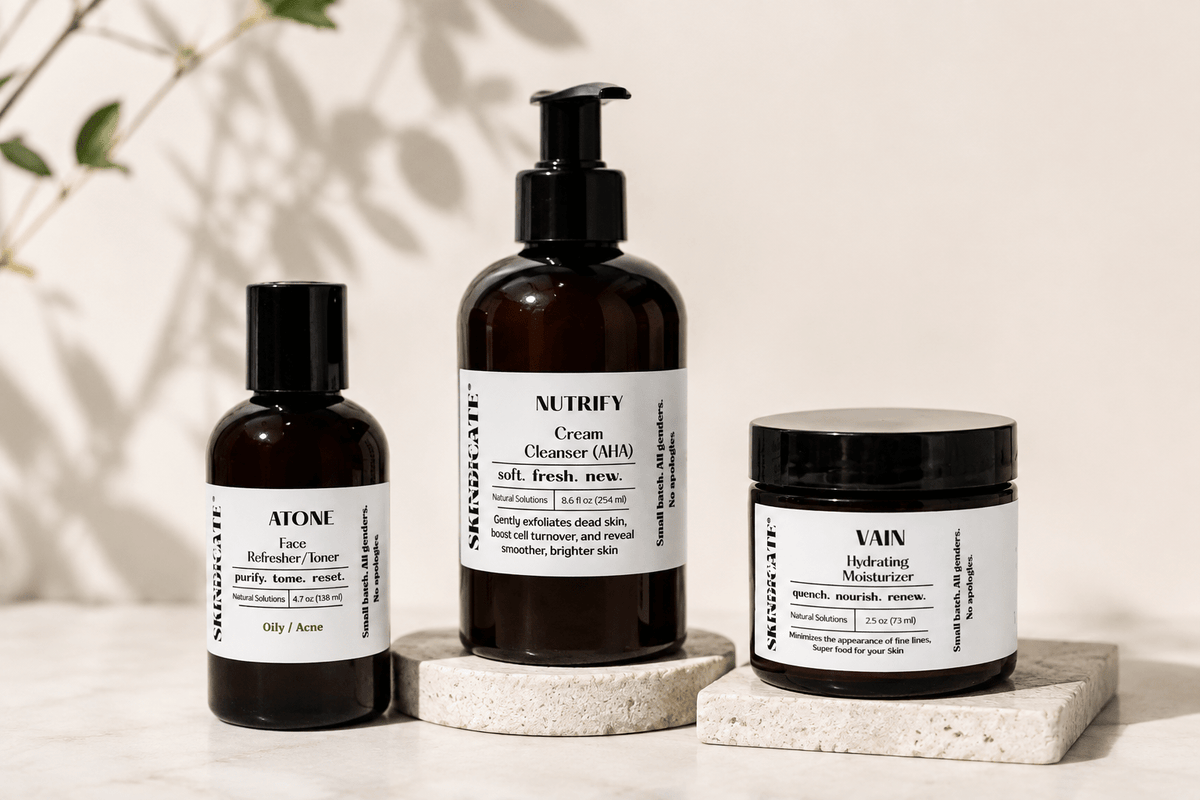
NUTRIFY – AHA Face Cleanser can be an ideal cleanser to use in a routine designed for oily skin. AHA-based cleansers are formulated with alpha hydroxy acids, which can help exfoliate the surface of the skin while cleansing. When using an exfoliating cleanser, follow the product's directions and pay attention to how your skin responds. Over-cleansing or excessive exfoliation can leave skin feeling dry or uncomfortable.
How Often Should You Cleanse?
For many people, cleansing in the morning and evening can be a simple starting point. However, the ideal frequency depends on your skin, lifestyle, and the products you use. If your skin feels tight, irritated, or overly dry after cleansing, consider whether your cleanser or cleansing frequency needs adjusting.
Step 2:
Add a Toner Based on Your Skin's Needs
A toner can be an optional step between cleansing and moisturizing. Products such as ATONE – TONER (OILY/ACNE) are designed with oily and blemish-prone skin in mind. A toner can complement cleansing by adding another step to your routine before moisturizer.
What Is Pore Care?
Pore care is about keeping the skin around pores clean and maintaining a routine that works with your skin type. Pores are a natural part of skin, and they cannot be permanently eliminated through skincare. Consistent cleansing and avoiding excessive product buildup can help support a clean-looking complexion.
Step 3:
Don't Skip Moisturizer
One common misconception is that oily skin does not need moisturizer. Suitable products such as VAIN – Daily Moisturizer can be used as part of a straightforward routine to provide moisture after cleansing and toning. Even oily skin can benefit from hydration. The key is choosing a moisturizer that feels comfortable and suits your skin's needs.
Why Moisturizing Still Matters
Using an appropriate moisturizer can help keep your routine comfortable and prevent the dry, tight feeling that some people experience after cleansing. If you are using exfoliating ingredients, maintaining a suitable moisturizing step can also help make your overall routine feel more balanced.
A Simple Morning Routine for Oily Skin
A good morning routine does not need many steps. The focus can be on cleansing, light hydration, and protection. Steps included in the skincare routine using natural skincare products for oily skin include:
- Cleanse - Use a gentle cleanser to remove overnight oil and buildup.
- Apply a treatment product if needed - If you use a suitable serum or treatment in the morning, apply it according to the product directions. Keep this step focused on your main concern rather than layering several products unnecessarily.
- Moisturize - Apply a lightweight moisturizer that feels comfortable on your skin.
- Apply sunscreen - Finish with a broad-spectrum sunscreen with SPF 30 or higher. This is an important final step in your daytime routine. That's it. A four-step routine can be enough for many people.
A Simple Nighttime Routine for Oily Skin
At night, the focus shifts to removing the day's buildup and using any treatments you have chosen.
-
Remove makeup if necessary - If you wear makeup, remove it before cleansing with a gentle makeup remover suitable for your skin.
-
Cleanse - Wash away sunscreen, excess oil, sweat, dirt, and other buildup from the day.
- Apply your treatment product - This could be a product designed for your main concern, such as acne, clogged pores, or uneven skin texture. Follow the instructions carefully and avoid combining products that may cause excessive irritation.
- Moisturize - Finish with a suitable moisturizer to help keep your skin comfortable and hydrated. A simple nighttime routine is often easier to follow consistently than a routine with many layers.
Common Mistakes to Avoid When Caring for Oily Skin
Even good products may not work as expected if your skincare habits are too harsh. Here are some common mistakes to avoid.
-
Washing your face too often
More washing does not necessarily mean cleaner or healthier-looking skin. Dermatology guidance generally recommends limiting face washing to twice daily and after sweating heavily.
-
Scrubbing your skin aggressively
Scrubbing can irritate the skin. Use your fingertips and a gentle cleanser instead of trying to physically scrub away oil.
-
Skipping moisturizer
Oily skin can still benefit from appropriate moisture. Choose a lightweight product rather than assuming moisturizer is unnecessary.
-
Using too many active ingredients
Combining several exfoliants, acne treatments, and retinoid products may increase the risk of dryness and irritation. Start slowly and keep track of how your skin responds.
-
Choosing products only because they are drying
A product that dries your skin out is not automatically better for oily skin. The goal is balance, not stripping the skin of all oil.
-
Sleeping in makeup
Leaving makeup on overnight can leave oil, product residue, and other buildup on the skin. Make removing makeup and cleansing part of your regular nighttime routine. -
Touching your face frequently
Your hands can transfer dirt, oil, and bacteria to your face. Try to avoid unnecessary touching throughout the day.
What About Clogged Pores?
Excess oil, dead skin cells, makeup, and other product residue can contribute to the appearance of clogged pores.
-
Keep Your Routine Consistent
A consistent cleansing routine can help remove everyday buildup. Avoid picking or squeezing areas that appear congested, as this can irritate the skin.
-
Don't Use Too Many Exfoliants
It can be tempting to use multiple exfoliating products when dealing with congestion. However, combining several strong exfoliating products can be irritating.
A simpler routine is often easier to manage and evaluate.
What Should You Do About Skin Breakouts?
Occasional skin breakouts can happen for many reasons, including hormonal changes, stress, lifestyle factors, and individual skin characteristics.
-
Keep Your Routine Consistent
When a breakout appears, suddenly replacing your entire routine with several new products may make it difficult to identify what is helping or irritating your skin. Instead, maintain a simple routine and introduce changes gradually.
-
Don't Pick at Your Skin
Picking or squeezing blemishes can cause additional irritation and may increase the likelihood of temporary marks. If breakouts are persistent, painful, or worsening, consider speaking with a dermatologist or other qualified healthcare professional.
Choosing Skincare With Your Skin's Needs in Mind
A good skincare routine should be practical enough to follow consistently. Instead of chasing every new skincare trend, focus on understanding your skin type, choosing suitable formulations, and introducing products gradually. Your routine may also need to change with seasons, lifestyle, age, hormonal changes, and other factors.
Why Choose Our Skincare Range?
SKINDICATE offers a thoughtfully selected range of skincare products designed to support simple, consistent routines for oily and blemish-prone skin. From cleansing and toning to daily moisturizing, each product is designed to complement the next step of your routine. Whether you're managing excess shine or looking after congested-looking skin, we are a suitable choice as we provide practical options to help you create a routine that feels comfortable, balanced, and easy to maintain.
Conclusion
In conclusion, a simple oily skin routine can be built around a few consistent steps rather than a long list of products. Cleansing, optional toning, moisturizing, and daytime sun protection provide a practical foundation, while additional products can be introduced when there is a clear reason to use them. The key is to choose products that suit your skin, avoid unnecessarily complicated routines, and give your skin time to respond. If persistent breakouts, irritation, or other concerns continue despite a consistent routine, professional skincare or dermatological advice may be appropriate.
Frequently Asked Questions
Q: What is the best routine for oily skin?
A: A simple routine can include a cleanser, optional toner, moisturizer, and daytime sunscreen. The best combination depends on your individual skin type and how your skin responds to specific formulations.
Q: Does oily skin need moisturizer?
A: Yes. Oily skin can still become dehydrated or feel uncomfortable without adequate moisture. Choose a moisturizer that feels suitable for your skin.
Q: Can I use an AHA cleanser every day?
A: It depends on the product formulation and your skin's tolerance. Follow the manufacturer's instructions and reduce frequency if your skin becomes irritated or overly dry.
Q: Is toner necessary for oily skin?
A: Not necessarily. Toner can be an optional step, but a cleanser, moisturizer, and sunscreen may be enough for a basic routine.
Q: Can skincare products get rid of pores?
A: No. Pores are normal structures in the skin and cannot be permanently removed. Skincare can, however, help keep the skin looking cleaner and more balanced.
Q: Should I use multiple exfoliating products for oily skin?
A: Not automatically. Using several exfoliating products together may increase irritation. Consider the ingredients across your entire routine before adding another exfoliant.