How to Choose Skincare Products for Your Skin Type?
Choosing skincare products can feel overwhelming when there are countless formulas, ingredients, and product claims to consider. The best routine starts with understanding your skin's needs and selecting products that complement them. Whether you are searching for the top natural skincare products or building a simple everyday routine, identifying your skin type can make the process much easier.
Therefore, if you are looking for the best ways to choose skincare products for your skin type, include:
Why Your Skin Type Matters When Choosing Skincare
Your skin can respond differently to products depending on its natural oil levels, sensitivity, hydration, and other characteristics. Understanding these differences helps you create a routine that is both practical and comfortable.
What Determines Your Skin Type?
Skin type is generally influenced by how much oil your skin produces and how it responds to different environmental and skincare factors. Common categories include:
- Combination skin
- Normal skin
-
Dry skin
- Oily skin
-
Sensitive skin
Your skin can also change over time due to factors such as weather, age, lifestyle, and changes in your skincare routine.
How to Identify Your Skin Type
Before buying new products, take some time to observe how your skin behaves without multiple products influencing it, including:
-
Signs of Dry Skin
Dry skin may feel tight, rough, flaky, or uncomfortable, particularly after cleansing. -
Signs of Oily Skin
Oily skin may appear shiny and produce noticeable oil, particularly around the forehead, nose, and chin. -
Signs of Combination Skin
Combination skin typically has different characteristics across the face. For example, the T-zone may feel oily while the cheeks feel relatively dry or balanced.
-
Signs of Sensitive Skin
Sensitive skin may be more prone to discomfort, redness, stinging, or irritation when exposed to certain products or environmental conditions.
How to Choose Products for Dry Skin
Dry skin generally benefits from a routine focused on maintaining moisture and avoiding unnecessarily harsh cleansing.
Look for Hydrating Ingredients
Ingredients such as glycerin, hyaluronic acid, ceramides, and certain plant-based oils are commonly used in moisturizing skincare formulas. If you are specifically searching for natural skincare products for dry skin, look beyond marketing terminology and check the complete ingredient list to determine whether the formula suits your preferences and skin.
Avoid Over-Cleansing
Cleansing too frequently or using a product that feels excessively stripping may leave dry skin feeling uncomfortable. A gentle cleanser can be a useful starting point.
Choosing Products for Oily and Combination Skin
Oily and combination skin can still require hydration. The goal is not necessarily to remove every trace of oil but to create a balanced routine.
-
Choose Lightweight Formulas
Lightweight moisturizers and serums can provide hydration without necessarily feeling heavy on the skin.
-
Focus on Your Skin's Different Areas
If your cheeks and T-zone behave differently, you may not need to use exactly the same approach on every area. Pay attention to how each part of your face responds.
How to Choose Skincare for Sensitive Skin
Sensitive skin often benefits from keeping routines simple and introducing new products gradually.
-
Prioritize Gentle Formulas
Look for products designed with a straightforward formulation and avoid introducing several new products simultaneously.
-
Patch Test New Products
A patch test can be a useful precaution when trying something new, although it cannot guarantee that a product will not cause a reaction. If you have persistent or significant skin concerns, consider consulting a qualified healthcare professional.
The Ultimate Guide to Gentle Skincare Products for Sensitive Skin
This guide should start with simplicity. You can choose a gentle cleanser, suitable moisturizer, and sunscreen, then introduce additional products one at a time so you can better understand how your skin responds.
1) Choosing a Cleanser for Your Skin Type
Cleansing is one of the foundations of a skincare routine, but the right cleanser can vary depending on your skin.
For Dry or Sensitive Skin
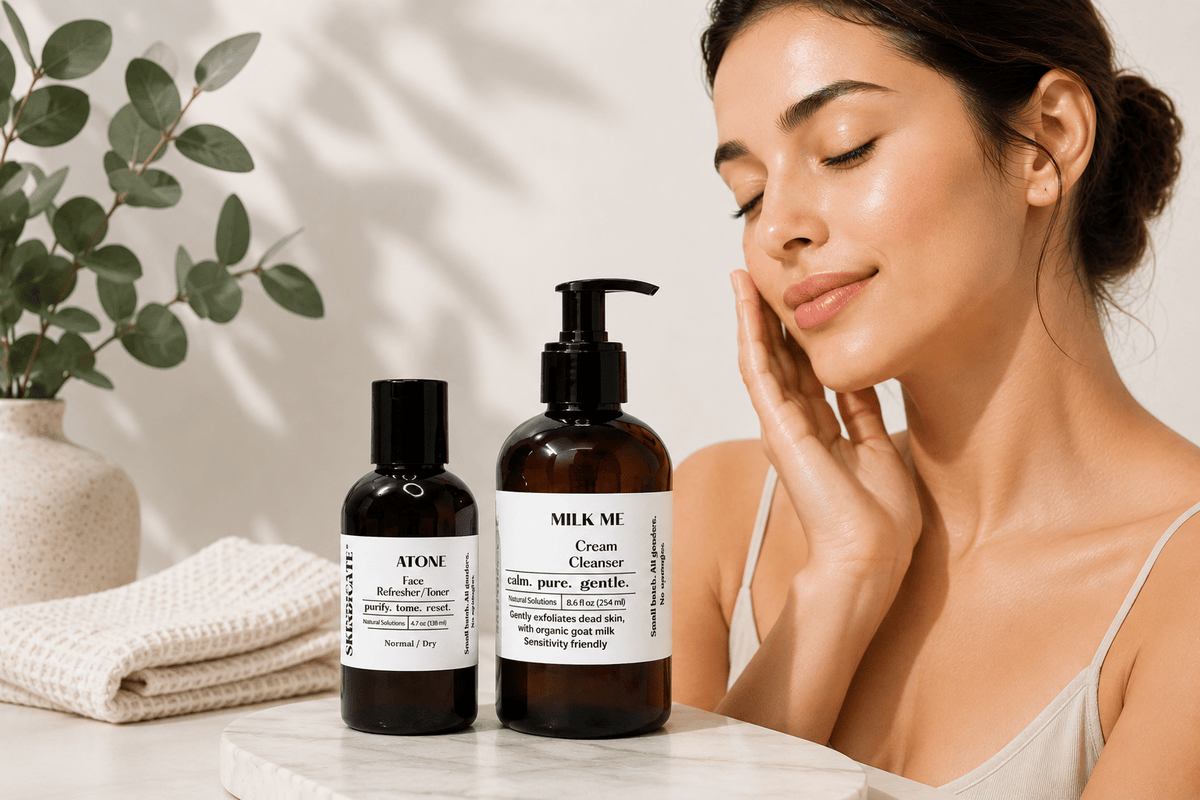
A cream or milk-based cleanser may feel more comfortable for people who prefer a gentler cleansing experience. Milk Me Cream Cleanser can be considered as part of a cleansing routine when looking for a creamy product format.
For Oily Skin
A lightweight cleansing formula may be preferred by people who want to remove excess oil without leaving their skin feeling overly dry.
2) Adding a Toner to Your Routine
Toners can serve different purposes depending on their ingredients and formulation. Some are designed to provide hydration, while others may focus on refreshing or balancing the feel of the skin.
When Should You Use a Toner?
A toner is generally applied after cleansing and before subsequent skincare products, depending on the product's directions. Atone daily toner can be incorporated after cleansing as part of a simple skincare routine.
3) When Should You Use a Face Serum?
Serums are usually formulated with concentrated combinations of specific ingredients and can be selected according to your skincare goals.
Selecting a Serum
Consider what you want from the product before adding it to your routine. For example, some serums focus on hydration, while others are formulated around ingredients commonly used for brightening or smoothing the appearance of skin. Glow face serum can be added after cleansing and toning, following its specific usage instructions.
How to Build a Skincare Routine Around Your Skin Type
Once you understand your skin type, focus on creating a routine that is manageable and consistent.
Step 1: Start With Cleansing
Choose a cleanser that leaves your skin feeling comfortable rather than excessively tight or stripped.
Step 2: Add Targeted Products
If you want to address a particular skincare goal, introduce one targeted product at a time.
Step 3: Moisturize
A moisturizer helps support the skin's moisture barrier and can be adjusted according to your skin type and preferences.
Step 4: Use Sunscreen
Broad-spectrum sunscreen is an important part of daytime skincare. Follow the product directions and reapply as recommended.
Common Skincare Mistakes to Avoid
Even carefully selected products may not work well if your routine becomes unnecessarily complicated.
-
Using Too Many Products
Adding multiple new products at once can make it difficult to identify which product is responsible if your skin becomes uncomfortable.
-
Following Trends Instead of Your Skin
A product that works well for someone else may not be appropriate for your skin. Consider your own skin type, concerns, preferences, and tolerance.
-
Changing Your Routine Too Often
Skincare generally requires consistency. Give your routine reasonable time while paying attention to how your skin responds.
How to Choose Skincare Products for Your Skin Type?
To Choose Skincare Products for Your Skin Type, consider the following before purchasing:
| Products | Skin Type |
|---|---|
| Dry | Hydrating and moisturizing formulas |
| Oily | Lightweight, comfortable formulas |
| Combination | Products that accommodate different areas |
| Sensitive | Simple, gentle formulations |
| Normal | Balanced products suited to everyday use |
Always read the ingredient list and product directions rather than relying only on broad skin-type labels.
A Simple Approach to Building Your Routine
You do not need a long list of products to create an effective routine. You can keep your basics consistent. A simple routine can include:
Morning:
- Cleanser
- Targeted serum if desired
- Moisturizer
- Sunscreen
Evening:
- Cleanser
- Targeted treatment if desired
- Moisturizer
The products you choose can then be adjusted based on how your skin behaves and what you want your routine to achieve.
Why Can Be Part of Your Skincare Routine ?
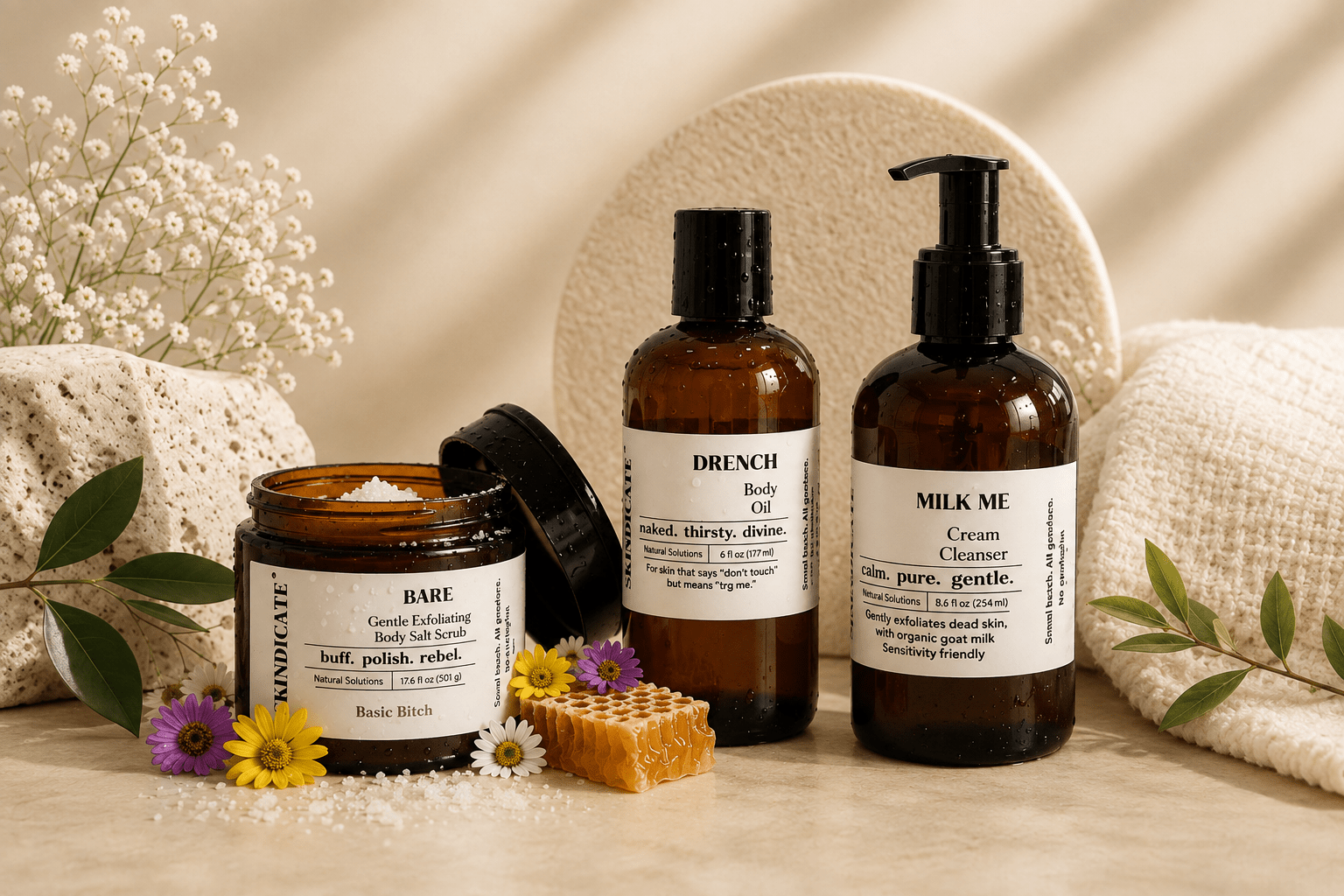
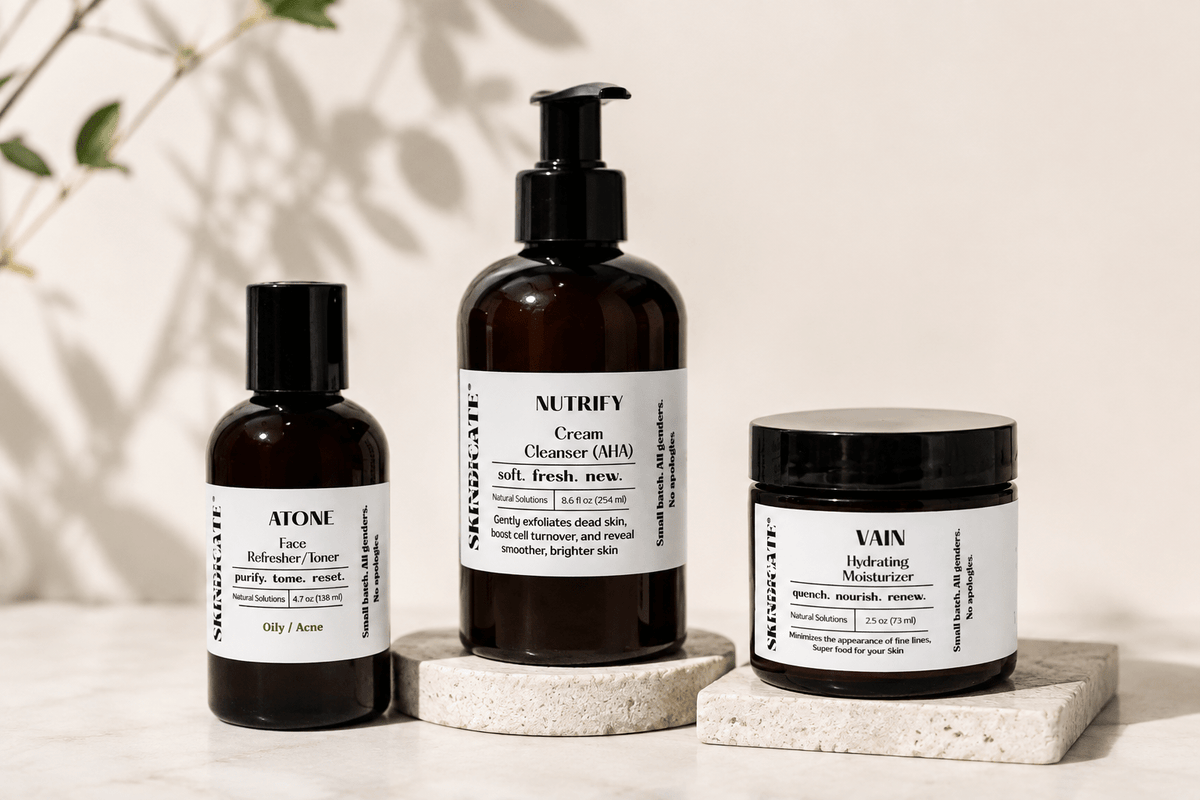
SKINDICATE offers skincare products designed to fit into straightforward everyday routines. From cleansing and toning to targeted skincare, its range provides different product formats that can be considered according to individual skin preferences and routine needs. Rather than choosing products simply because they are trending, understanding your skin type and reviewing each formula can help you create a routine that feels appropriate for you.
Conclusion
In conclusion, choosing skincare does not have to involve following every new trend or building an extensive routine. Understanding your skin type, reading product labels, introducing products gradually, and keeping your routine consistent can make skincare more manageable. The most suitable routine is one that fits your skin's needs and your everyday lifestyle. By paying attention to how your skin responds and making thoughtful product choices, you can create a routine that is simple, comfortable, and easy to maintain.
Frequently Asked Questions
Q: How do I know what my skin type is?
A: Observe how your skin feels and behaves throughout the day. Consider oiliness, dryness, sensitivity, and whether different areas of your face behave differently.
Q: Can my skin type change?
A: Yes! Skin can change over time due to age, weather, lifestyle, hormonal changes, and other factors.
Q: How many skincare products should I use?
A: There is no fixed number. A simple routine with a cleanser, moisturizer, and sunscreen can be a practical foundation, with targeted products added according to individual needs.
Q: Should I patch test new skincare products?
A: Patch testing can be a useful precaution when introducing a new product, particularly if your skin tends to be reactive. Follow the product's directions and seek professional advice for persistent skin concerns.
Q: Is natural skincare always better?
A: Not necessarily. "Natural" does not automatically mean a product will be suitable for everyone. Ingredients can affect people differently, so consider the complete formulation and your individual skin needs.
Q: Should I use different products in the morning and evening?
A: Some products are better suited to specific times of day, while others can be used according to their directions. Sunscreen, for example, is generally part of a daytime routine.