Why Does Your Skin Feel Dry? Common Causes, Skincare Mistakes & Solutions
Dry skin can feel tight, rough, flaky, or uncomfortable, and it can happen even when you follow a regular skincare routine. Weather, cleansing habits, hot showers, dehydration, and certain skincare products can all affect how your skin feels. If you are looking for natural skincare products for sensitive skin, understanding the common causes of dryness can help you build a gentler, more suitable routine.
Therefore, in this blog, we will discover the reasons for dry skin, common causes, skincare mistakes, and solutions.
What Causes Dry Skin?
Dry skin occurs when the skin does not retain enough moisture. Your skin barrier plays an important role in keeping water inside while helping protect the surface from external factors.
The Common Causes of Skin Dryness
Several everyday factors can contribute to dry-feeling skin, including:
- Cold or dry weather
- Low indoor humidity
- Long, hot showers
- Frequent washing
- Harsh cleansers
- Over-exfoliation
- Fragranced or irritating products
- Not moisturising regularly
- Age-related changes in the skin
- Environmental exposure
Dryness can also be temporary or recurring depending on your surroundings and skincare habits.
How Can Weather Make Your Skin Feel Dry?
Changes in temperature and humidity can affect how much moisture your skin retains.
Cold Weather and Low Humidity
Cold outdoor air often contains less moisture, while indoor heating can further reduce humidity. Together, these conditions may leave skin feeling tight, rough, or uncomfortable.
Hot Weather Can Also Contribute
Warm temperatures and increased sweating do not necessarily prevent dryness. Frequent cleansing, air conditioning, and sun exposure can still leave the skin feeling less comfortable.
The Common Skincare Mistakes That Can Increase Dryness
Sometimes the products or habits intended to improve your skin may actually contribute to dryness.
-
Using Very Hot Water
Hot water can remove some of the skin's naturally occurring oils. Try using lukewarm water instead, particularly when washing your face or showering.
-
Over-Cleansing
Washing too frequently or using a cleanser that feels overly stripping can leave the skin feeling tight after cleansing.
-
Exfoliating Too Often
Exfoliation can be useful for removing surface buildup, but doing it too frequently may make the skin feel irritated or dry.
-
Skipping Moisturiser
Moisturiser helps support the skin's moisture balance. If your skin regularly feels tight after cleansing, adding a moisturizer suited to your skin type may help improve comfort.
How to Build a Better Routine for Dry Skin?
A simple routine can often be more useful than using numerous products at once. A step-by-step approach includes:
Step 01:
Start With a Gentle Cleanser
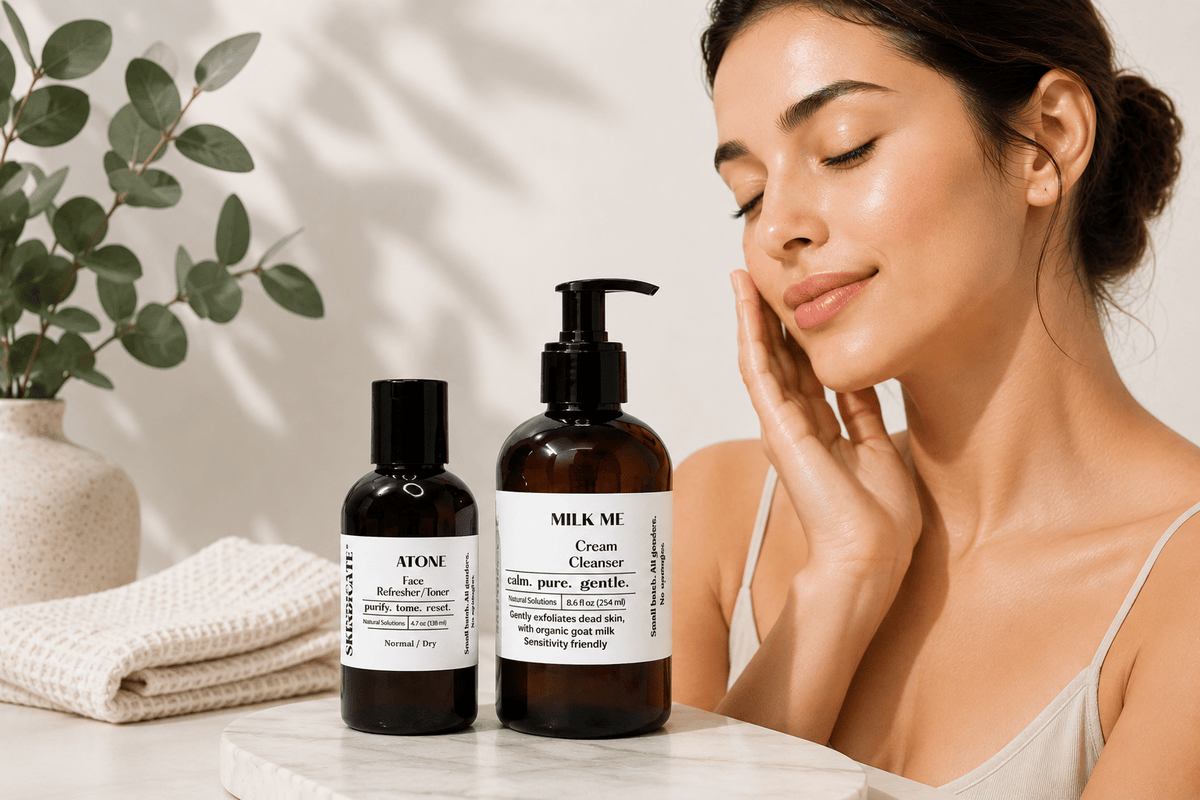
Choose a cleanser that removes dirt and everyday buildup without leaving your skin feeling excessively tight. For example, MILK ME — CREAM CLEANSER can fit into a gentle routine for dry-feeling skin.
Step 02:
Add a Hydrating Toner
A toner can be included after cleansing as part of a simple routine. For example, Atone - Daily Toner can be incorporated as directed.
Step 03:
Use a Moisturiser Consistently
Apply moisturizer after cleansing to help maintain a comfortable feel. If you have particularly dry skin, you may prefer a richer moisturizer, while lighter formulations can work well for combination or oily skin.
Step 04:
Protect Your Skin During the Day
Daily sun protection is an important part of a balanced skincare routine. Look for a broad-spectrum sunscreen and apply it according to the product instructions.
All About Dry Skin and Body Care
Dryness is not limited to the face. Your hands, arms, legs, elbows, and other areas can also become rough or tight.
Choosing Body Care Products
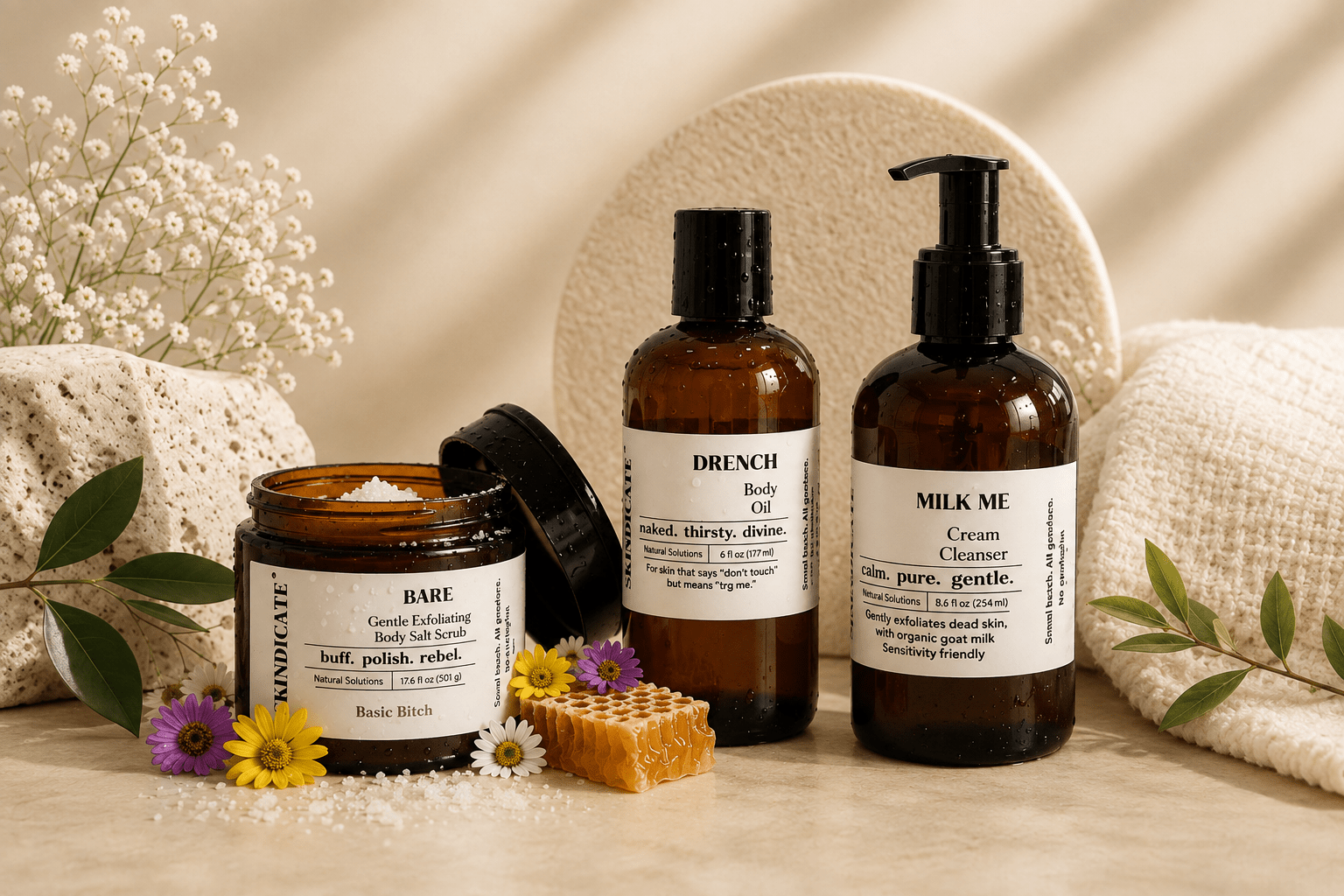
When selecting a body care product online, check the ingredient list, product directions, and suitability for your skin type before purchasing. If your skin is easily irritated, you may prefer products with simpler formulations such as bare-rose body scrub and fewer potential irritants.
Don't Forget Your Hands
Frequent handwashing can contribute to dryness. Applying a hand cream or moisturizer after washing can help keep the skin feeling comfortable.
How Can You Care for Dry Skin on Your Body?
Dryness is not limited to your face. Areas such as your hands, arms, legs, elbows, and knees can also feel rough, tight, or uncomfortable. Frequent washing, hot showers, dry weather, and harsh products can all contribute to dry-feeling body skin.
Keep Your Body Care Routine Simple
After bathing, gently pat your skin dry and apply a moisturizing product while your skin is still slightly damp. DRENCH—MOISTURIZING BODY OIL can be incorporated into your body care routine to help keep the skin feeling soft and moisturized.
If you use a body scrub, avoid exfoliating too often. For example, BARE - BASIC BITCH (UNSCENTED) can be used occasionally according to the product directions. Keeping exfoliation moderate may be particularly important when your skin already feels dry or uncomfortable.
The Ingredients to Consider When Skin Feels Dry
Different ingredients can support different skincare goals. When dryness is your main concern, you may want to look for products containing moisturizing or barrier-supportive ingredients. A few of those ingredients include:
-
Humectants
Ingredients such as glycerin and hyaluronic acid can help attract and hold water at the skin's surface.
-
Emollients
Emollient ingredients help soften and smooth the skin's texture.
-
Occlusive Ingredients
Occlusive ingredients can help reduce moisture loss by creating a protective layer over the skin.
A product does not need to contain every type of ingredient to be useful. The right choice depends on your skin and how it responds.
What Do Clinical Studies Say About Skincare Products?
When evaluating skincare claims, it is useful to look beyond marketing language and consider clinical studies about skincare products. Research can provide information about specific ingredients, formulations, skin types, and measured outcomes. However, study results do not necessarily mean that every product will produce the same experience for every person. Factors such as formulation, concentration, frequency of use, and individual skin characteristics can influence results.
A Simple Routine for Dry-Feeling Skin
A practical routine does not have to be complicated.
Morning
- Use a gentle cleanser or rinse with lukewarm water.
- Apply a hydrating toner if desired.
- Apply moisturizer.
- Finish with broad-spectrum sunscreen.
Evening
- Gently cleanse the skin.
- Apply toner if part of your routine.
- Use any targeted skincare product appropriate for your needs.
- Apply moisturizer.
Weekly
Keep exfoliation moderate and avoid adding multiple new products at the same time. Introducing products gradually makes it easier to identify what works well for your skin.
Final Thoughts
Dry-feeling skin can result from a combination of environmental conditions, skincare habits, and individual skin characteristics. Rather than continually adding new products, focus on gentle cleansing, consistent moisturizing, sensible exfoliation, and protecting your skin from environmental exposure. A simple, consistent routine can be a good starting point for maintaining comfortable, healthy-looking skin.
Ready to build a better skincare routine? Explore our Face Care Collection to find products that help cleanse, hydrate, and care for your skin.
Frequently Asked Questions
Q: Why does my skin feel dry even after moisturizing?
A: Dryness can be influenced by weather, cleansing habits, exfoliation, product ingredients, and the condition of your skin barrier. Your moisturizer may also not be the right formulation for your skin type.
Q: How often should I moisturize dry skin?
A: Many people moisturize at least once or twice daily, particularly after cleansing. Follow the directions for your chosen product and adjust based on how your skin feels.
Q: Can washing my face too much cause dryness?
A: Yes. Frequent cleansing or using a harsh cleanser can remove oils from the skin's surface and contribute to a tight or dry feeling.
Q: Is hot water bad for dry skin?
A: Very hot water can contribute to dryness by removing some of the skin's natural oils. Lukewarm water is generally a gentler option.
Q: Should I exfoliate if my skin is dry?
A: Exfoliation is not always necessary when skin feels dry or irritated. If you choose to exfoliate, use a gentle approach and avoid excessive frequency.
Q: Can dry skin be caused by the weather?
A: Yes. Cold temperatures, low humidity, heating, and air conditioning can all contribute to changes in how your skin feels.
Q: How can I make my skincare routine simpler?
A: Start with the basics: gentle cleansing, moisturizing, and daytime sun protection. Add other products only when they serve a specific purpose, and your skin tolerates them well.
Q: When should I see a dermatologist about dry skin?
A: If dryness is persistent, severe, painful, cracking, intensely itchy, or accompanied by other unusual skin changes, professional evaluation can help identify the underlying cause and appropriate care.