How Can You Keep Your Skin Soft and Hydrated During Winter?
Winter weather can leave your skin feeling dry, tight, rough, and irritated. Cold temperatures, low humidity, hot showers, and indoor heating can all reduce moisture in the skin and weaken its natural protective barrier.
When the skin barrier becomes weakened, the skin can lose moisture more easily, leading to dryness, tightness, flaking, or irritation. A healthy skin barrier helps retain moisture and provides protection against external irritants. Natural skincare products for dry skin will enable skin to retain moisture while remaining soft and hydrated.
But how do you avoid the problems associated with dry skin during winter? In this guide, we will discuss some of the key methods that would help you maintain a proper skin barrier to keep your skin moisturized in winter.
Why Your Skin Gets Dry in Winter
Your skin may become dry in the winter for multiple reasons:
- Cold, dry air can increase moisture loss from the skin, leaving it feeling dry and tight.
- Using indoor heating for coziness can extract humidity. That means your skin faces dry air both indoors and outdoors.
- Taking hot showers in winter removes essential oils from the skin and then makes it dry, irritated, and dull.
-
People may feel less thirsty in colder weather and may drink less water, so maintaining regular fluid intake is still important for overall hydration.
Must-Know Tips for Healthy, Hydrated Winter Skin
Consider the following hydrating skincare routine tips during winter:
Shield Your Skin from Harsh Air
Cold, dry air can increase moisture loss from the skin and make it harder for the skin to maintain its natural hydration.
Reduce direct exposure. While going out, ensure your face, neck, and hands are covered using a soft scarf and gloves. If your skin is sensitive or easily irritated, wear soft, breathable fabrics such as cotton as a base layer to reduce friction and discomfort. Avoid wearing woolen clothes directly over the sensitive or itchy skin as it increases irritation.
Consider Using a Milder Cleanser
In the winter, we should avoid the use of harsh soaps as this will remove all the natural oils and moisture from the skin. Instead, choose a gentle, fragrance-free cleanser that cleans the skin without leaving it feeling tight or stripped. Ingredients such as the following may help support comfortable, hydrated skin:
- Ceramides: It helps in restoring the skin’s natural barrier.
- Glycerin: This helps to moisturize the skin.
- Aloe vera: It soothes and hydrates.
Moisturize Right After Cleansing
It all depends on the timing of applying moisturizers. Apply moisturizer while your skin is still slightly damp after cleansing or bathing. This can help reduce moisture loss and leave the skin feeling softer and more comfortable. It is recommended during winter to use creams or balms instead of lightweight lotions, and they must contain the following ingredients:
- Hyaluronic acid: It keeps water in the skin.
- Squalane: It assists in skin barrier repair.
- Shea butter: It offers intense hydration.
Gentle Exfoliation
Exfoliation is essential for getting rid of dead skin cells, but excessive exfoliation during the cold season may irritate the skin. If your skin tolerates exfoliation, use a gentle exfoliating product occasionally to remove excess dead skin cells. Avoid exfoliating when your skin is irritated, cracked, or very dry, as this can worsen discomfort. Chemical exfoliants like those containing lactic acid and PHAs polyhydroxy acids are gentler than harsh scrubs.
Restrict Hot Showers and Bathing
Though a hot shower would be really relaxing on a cold day, it will rob you of all the natural oils in your skin. Opt for lukewarm water and do not take a shower for more than 10-15 minutes. Once you are done with the shower, pat yourself dry using a soft towel and moisturize right away.
Increase Humidity at Home
Using a humidifier can help add moisture to dry indoor air, which may make your skin feel more comfortable during winter. Indoor heating can reduce humidity levels, contributing to dry and irritated skin. A humidifier can help restore some of that moisture to the air. Consider using one in your bedroom or other rooms where you spend a lot of time.
Be Careful of Your Diet
A balanced diet also helps to ensure your skin is well-hydrated and elastic. Include a balanced diet with sources of healthy fats, such as fish, nuts, and seeds. Along with a variety of fruits and vegetables, these foods provide nutrients that support overall skin health.
Protect Your Lips & Hands
Winter is especially damaging to your hands and lips since they have thin skin and get exposed easily to the environment. Here is how you can protect them:
- Always wear gloves when outdoors, particularly when dealing with water or cleaning agents.
- Apply a thick hand lotion after washing your hands for moisture retention.
- Use a nourishing lip balm regularly, and choose one with SPF when spending time outdoors to help protect your lips from both dryness and UV exposure.
Hydrate From Within
Staying hydrated is important for your overall health. Drink fluids regularly throughout the day and eat water-rich foods such as fruits and vegetables. While drinking enough water is important, topical moisturizers and a healthy skin barrier are also key to preventing winter dryness.
Rather than following a fixed number of glasses, drink regularly throughout the day and pay attention to your body's hydration needs. Your fluid requirements can vary depending on your activity level, diet, environment, and individual needs.
Select Fabrics Carefully
Some fabrics may cause irritation of the skin in cold seasons. Rough and itchy fabrics such as wool cause friction, retain heat, and increase itching and redness. While wearing clothes during the day, opt for soft and breathable fabrics such as cotton and bamboo as the base layer. In the case of wool and fleece fabric, wear it over cotton.
Common Winter Skincare Mistakes People Make
Here are some of the most common mistakes that people make:
1. Using the same foaming face wash from summer
Foaming facial cleansers wash away oils from your face. During winter, these oils become very important to keep your skin safe. So use a light cream-based cleanser.
2. Skipping sunscreen on cloudy days
UV-A radiation gets through clouds and window glass, even during winter months. Not applying sunscreen will cause the skin to age more quickly.
3. Over-exfoliating to remove flakes
Over-exfoliation of scaly skin leads to damage to the skin barrier, resulting in greater dryness of the skin. Exfoliate only twice a week with a mild oil-based product.
4. Applying moisturizer on completely dry skin
A moisturizer functions well on moist skin. Apply moisturizer soon after cleansing, while your skin is still slightly damp. Waiting until the skin is completely dry may make it harder to retain moisture.
5. Running room heaters at full without humidity control
Indoor heating can lower humidity and contribute to dry, uncomfortable skin. Keep the room at a comfortable temperature and consider using a humidifier if the air feels particularly dry.
Winter Skincare for Different Skin Types
There is no single routine that works for everyone. Even your skin type should be considered during the winter season, but in a modified form:
- For Oily Skin:
Moisture-retentive products are also necessary for oily skin types. Oily skin still needs hydration during winter. Choose lightweight, non-comedogenic moisturizers or gel-based products that provide hydration without feeling heavy or greasy. It is recommended to use non-greasy hydrating products like a gel-based one.
- For Dry and Sensitive-Feeling Skin:
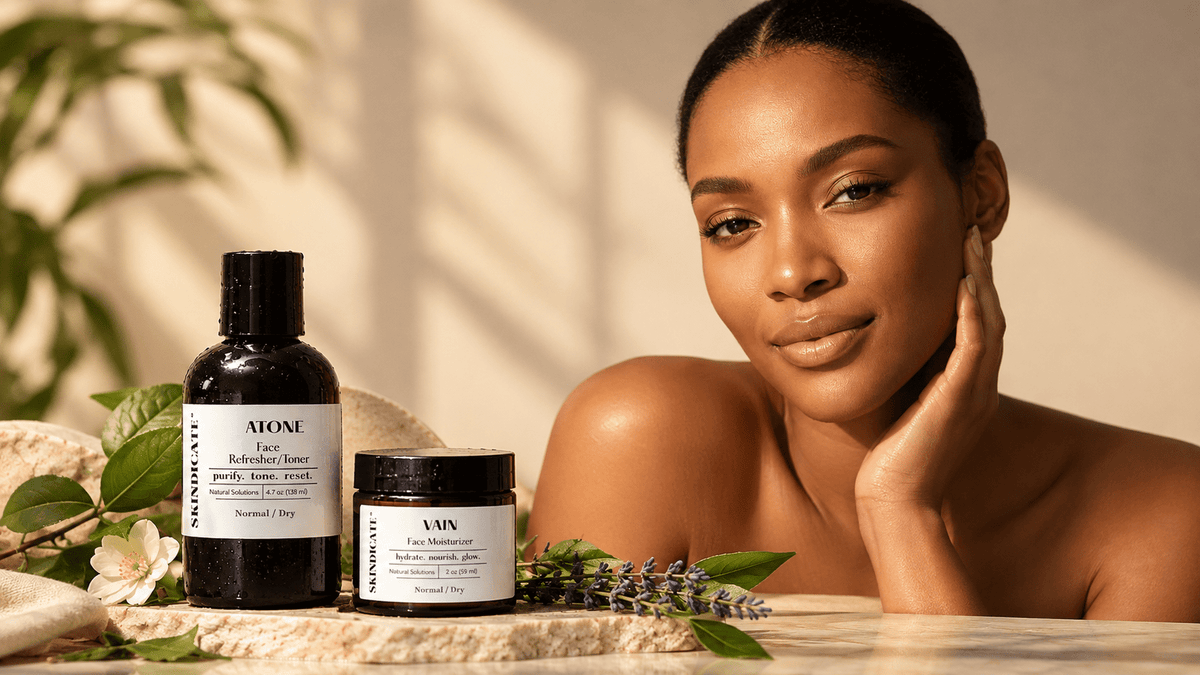
Dry or sensitive-feeling skin may need extra moisture and a simpler routine during winter. Try to choose a gentle moisturizer such as VAIN – LUXE HYDRATING DAILY MOISTURIZER, formulated with ingredients such as Shea Butter, Ceramides, and Aloe Vera. It is also helpful to choose fragrance-free products when your skin is sensitive or easily irritated. A suitable moisturizer can help keep dry skin comfortable and support the skin barrier against harsh winter conditions.
- For Combination Skin:
Apply a layered method of application. This way, you may apply the hydrating layer all over your face and then put on a more intense layer of cream on those areas that are drier, such as cheeks and the mouth region. Apply a lightweight hydrating product across the face, then use a richer moisturizer only on areas that feel particularly dry, such as the cheeks or around the mouth.
Get Winter-Ready Skin with SKINDICATE!
Winter skincare starts with gentle products that support the skin barrier without leaving the skin feeling stripped or irritated. SKINDICATE offers skincare products designed to support cleansing, hydration, and everyday skin comfort.
Whether your goal is to create a new skincare routine or enhance an existing one, focus on gentle products that support your skin during winter. For example, SKINDICATE's ATONE daily toner is formulated to gently exfoliate and nourish the skin while supporting a balanced skincare routine. Try it out today for soft, comfortable, and well-cared-for skin!
Conclusion
Maintaining hydrated winter skin comes down to a few consistent habits: gentle cleansing, regular moisturizing, avoiding very hot water, protecting your skin from harsh weather, and supporting a healthy skin barrier.
You can select natural skincare products for dry skin that help maintain the skin's moisture barrier and help it stay nourished throughout winter. Explore SKINDICATE’s carefully crafted skincare range to give your skin the gentle care it deserves this winter!
Frequently Asked Questions
Q: What kind of moisturizer is best for winter?
Look for a moisturizer with a rich, comfortable texture and ingredients that help support skin hydration. Ingredients such as hyaluronic acid, ceramides, glycerin, aloe vera, and shea butter can help keep skin feeling soft, smooth, and hydrated.
Q: Are hot showers bad for dry skin?
Yes. Very hot water can strip natural oils from the skin and leave it feeling dry and irritated. Choose lukewarm water instead and keep showers relatively short.
Q: Can I use the same products for my face and body in winter?
There is a difference between the needs of the face and body. Facial skin can be more sensitive than the skin on the body, so it is generally better to use products formulated for the face and a suitable body lotion for areas such as the hands, legs, and feet.
Q: How can I hydrate my skin naturally?
You can support your skin's hydration by applying a suitable moisturizer to slightly damp skin and maintaining regular fluid intake. Ingredients such as glycerin and hyaluronic acid can help attract and retain moisture in the skin.
Q: Should I change my skincare routine in winter?
Yes. Cold temperatures, dry air, and indoor heating can contribute to moisture loss and dryness. Adjusting your skincare routine to suit the colder, drier conditions can help keep your skin comfortable during winter.
Q: Is exfoliation good for dry or flaky skin?
Gentle exfoliation can help remove excess dead skin cells and improve skin texture, but it may not be suitable when your skin is very dry or irritated. Over-exfoliating can increase dryness and irritation, so choose a gentle exfoliating product and use it according to your skin's needs.